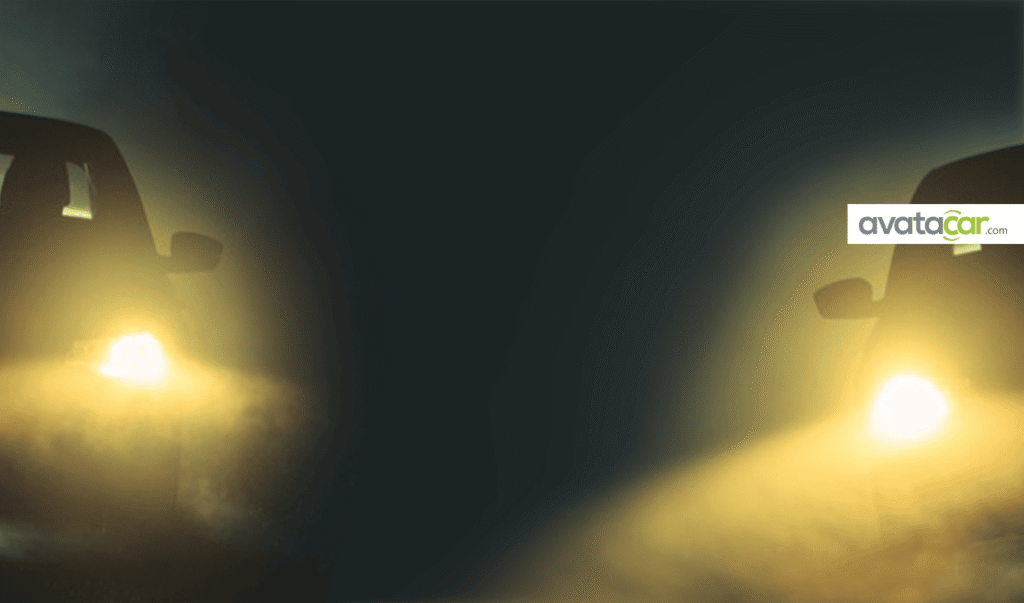
There are different types of lighting for cars, the most well-known being halogen bulbs, xenon lights, LED lights, and the new laser and OLED technologies. Avatacar outlines these different car lights for you!
Halogen Bulbs
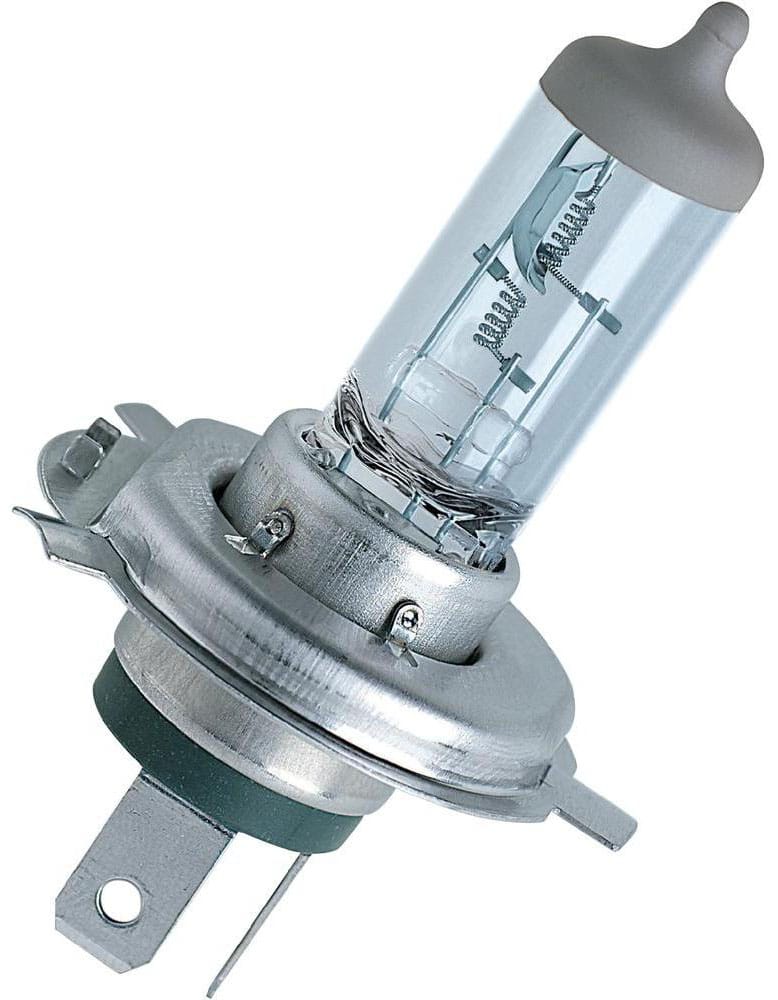
The halogen bulb is the oldest and most widespread model; these are traditional bulbs with a filament.
Operating Principle
- An electric current is sent to the metal filament, which heats up and creates a light source
Advantages
- Long lifespan (over 1000 hours)
- Suitable for most types of cars.
- Very attractive price
Disadvantages
- Energy/heat consumption
- Fragile, can deteriorate quickly due to external elements (humidity…)
Beam Range
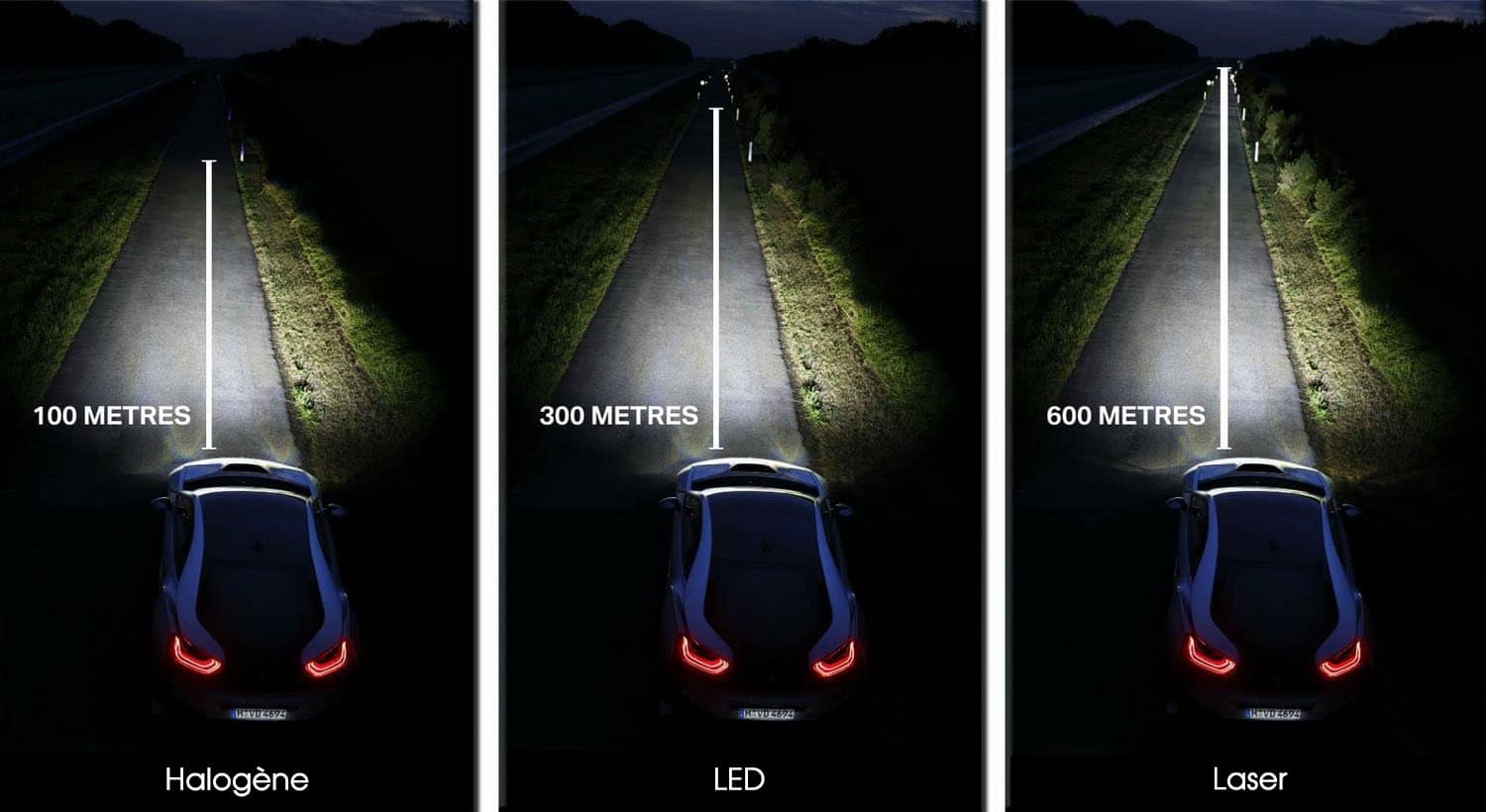
- Minimum 100m, generally 150m
Cost
- Prices start from €50/€2
Xenon Bulbs
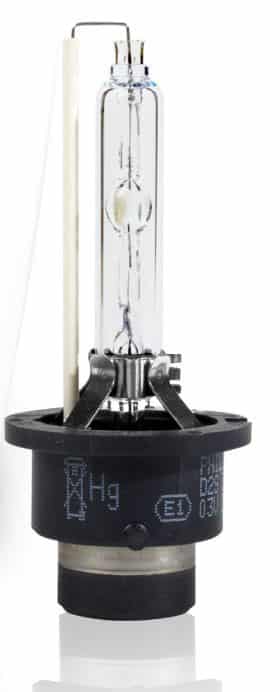
The so-called xenon bulbs consist of a gas xenon, Xe (just as neon bulbs consist of neon gas, Ne). Present on the market for over 30 years, xenon bulbs are known for their longevity and their white color with a bluish tint (in a discharge lamp, xenon emits a bluish hue). Powerful xenon bulbs must be properly adjusted to avoid blinding other drivers. They are now mainly used on high-end cars.
Operating Principle
- An electric current is sent through the xenon gas to excite it and generate light
source
Advantages
- Power and light intensity
- Very sharp light beam
- Longevity (over 2000 hours)
Disadvantages
- Xenon gas is rare, making the bulbs expensive
- Can easily blind if misaligned
Beam Range
- About 220m
Cost
- Between €500 and €1000 depending on the option
LED Headlights
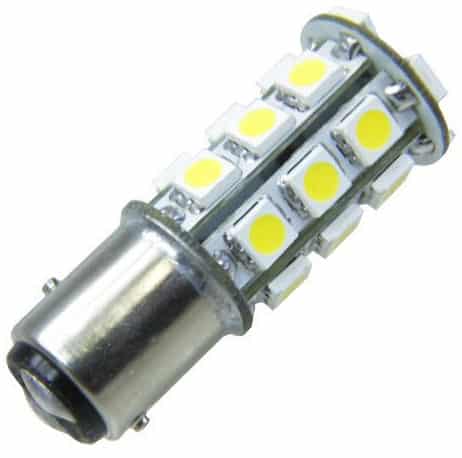
LED headlights (light-emitting diode) are very recent in the automotive market, with their first use dating back 3 to 4 years. LED headlights are of course more powerful than xenon bulbs but are more pleasant to the eyes, being less likely to cause glare. LEDs have the particularity of having a very low energy consumption compared to xenon bulbs, making them very often used for electric cars.
One of their distinctions is their small size; LEDs, which can be easily assembled, allow car manufacturers to create new shapes and designs for headlights, adding a touch of uniqueness to the cars they equip. However, the use of LEDs in automobiles remains complex: LEDs tend to heat up significantly when on, which can ignite other components. Initially, they were only used for turn signals and brake lights. They are recently being applied to the headlights of certain cars (especially on Audi).
Operating Principle
Like halogen and xenon bulbs, light-emitting diodes emit light when an electric current passes through them. Light-emitting diodes are made up of 3 “layers” (conduction band/forbidden band/valence band) stacked together that produce light when current flows through them.
Advantages
- Low energy consumption, even longer lifespan than xenon bulbs
- Small size allowing for customization, design for original shapes (notably represented on Audi)
- More powerful and comfortable lighting for the visibility of other drivers
Disadvantages
- Technology still expensive
Beam Range
- About 300m
Cost
- Option around €1000 to €2000
Laser Headlights
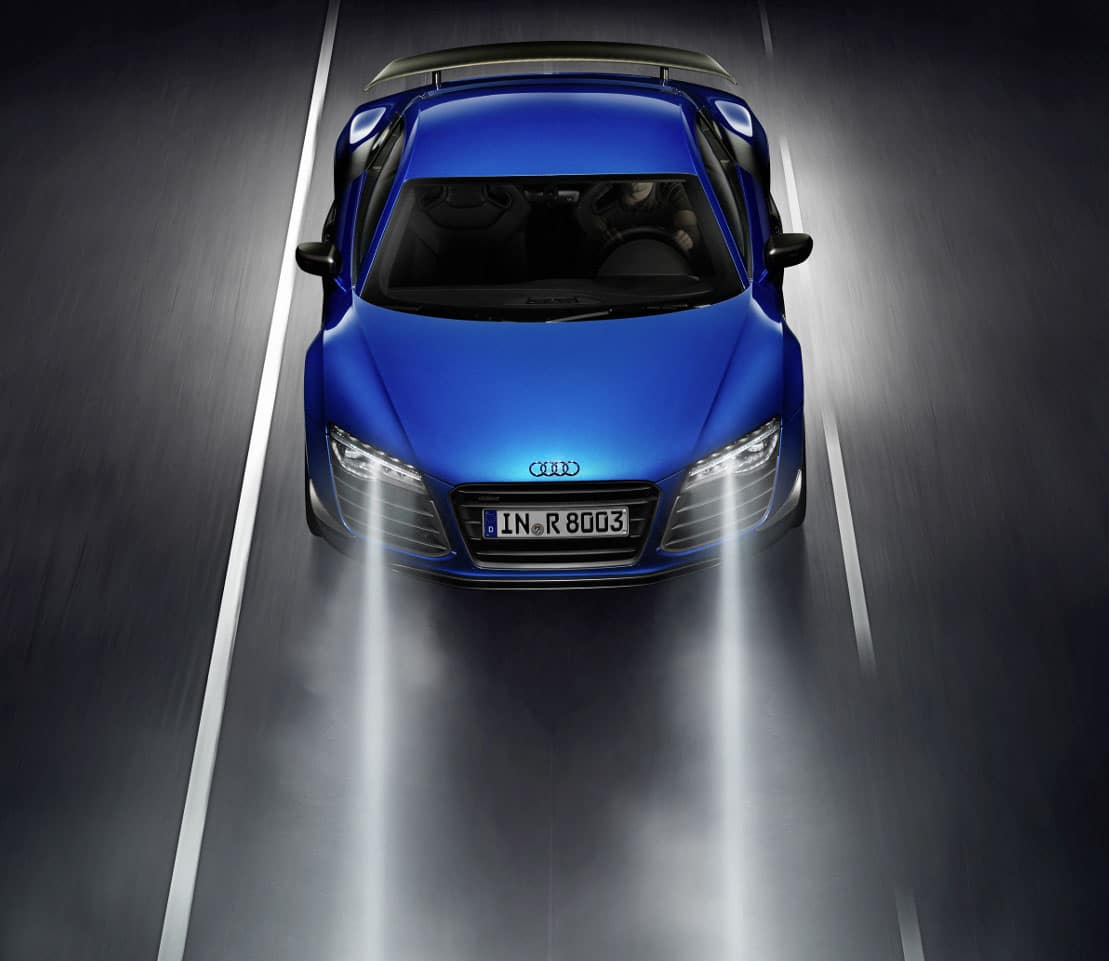
Laser headlights are still the most recent technology in the automotive industry. Laser headlights have a light beam with a range multiplied by two compared to LED headlights; they are also 1000 times more powerful than halogen bulbs. This beam can also take any shape and move according to driving conditions and the road. Some manufacturers have already equipped their cars with this new technology (BMW i8 and Audi R8 LMX, for example). The light from laser headlights is extremely powerful and precise compared to other lights. They also have an “anti-glare” function that is more than justified…
Operating Principle
Using a mirror, the energy released by the atoms is concentrated to produce a laser beam.
Advantages
- High-end and precise lighting
Disadvantages
- Extremely expensive
Beam Range
- Lighting up to 600m
Cost
- Estimated at around €10,000
OLED Headlights
OLED headlights (Organic Light Emitting Diode) are the latest innovation for automotive lighting! These headlights offer even more possibilities in terms of design, shapes, and colors. OLEDs are more economical than LEDs (very well positioned concerning environmental impacts), provide a more uniform light, distributed and slightly less intense than LED light. The new OLED technology has been designed to withstand high temperatures released during operation, offering even longer use. BMW plans to use them in rear lighting on one of their models.
Operating Principle
- Same operation as LED headlights except that they consist of diodes made of organic semiconductor substances in stacked layers.
Advantages
- Even greater design possibilities
- Even more economical than LEDs
- Resistant to high temperatures
Disadvantages
- Lower intensity than LEDs
- For use in traffic lights, rear lights (in addition to LEDs) or inside cars
Beam Range
- Not disclosed
Cost
- Not disclosed

Tag : the different types of car headlight lighting