The services and activities dedicated to seniors in France are undergoing a period of reorganization. Reform of home autonomy services, pricing experiments in facilities, new measures against isolation: the landscape has become more complex in recent years without improving clarity for users at the same pace.
Reform of home autonomy services: an ongoing project
Launched in 2023 to bring assistance and care closer together within a unified structure, the reform of home autonomy services (SAD) was intended to gradually replace the old SAAD, SSIAD, and SPASAD. The stated goal: to simplify the journey for elderly people experiencing loss of autonomy and coordinate interventions under a single administrative roof.
A report from the Cour des comptes made public on July 8, 2026 provides a critical assessment of this transition. Among the recommendations: strengthened departmental management, more flexible pricing, and systematic monitoring of refusals or interruptions of care. These proposals remain recommendations at this stage, not new obligations.
In practice, feedback from the field varies on this point. Some departments have already merged their structures, while others maintain a fragmented operation. For families, this means that the availability of home services varies significantly from one area to another, both in terms of availability and out-of-pocket costs. A centralized directory, such as the one proposed on the Seniors Connexion website, can help identify accessible services based on one’s municipality.
Funding for senior facilities: what the global package experiment changes
Since July 1, 2025, 23 departments are experimenting with merging funding for care and dependency into a single global package for certain facilities welcoming elderly people. This mechanism, governed by decree no. 2025-168 of February 20, 2025, modifies the presentation of costs borne by residents.
Until now, the funding for a nursing home (EHPAD) relied on three distinct envelopes: accommodation (charged to the resident), dependency (partially covered by the APA), and care (funded by Health Insurance). Merging the last two into a single package aims to give facilities more flexibility in allocating their resources.
What residents and families should watch for
The available data do not yet allow for conclusions about the real impact of this experiment on families’ out-of-pocket costs. Several points deserve particular attention:
- The transparency of billing: the global package should not obscure an increase in the accommodation charge, the only line directly billed to the resident
- The coordination with the APA in facilities, whose calculation methods could be adjusted at the end of the experiment
- The actual quality of care: a global package may encourage resource pooling, but also reduce certain services if the budget is undersized
The results of this experiment, expected by the end of 2026, will likely determine whether the system is generalized or adjusted.
Isolation of seniors: a documented problem, responses still scattered
The barometer from the Petits Frères des Pauvres published on September 30, 2025 highlighted the extent of isolation among elderly people in France. The fight against this form of relational precariousness has become a distinct area of intervention for services dedicated to seniors, beyond mere medical-social support.
Several types of actors intervene in this area: national associations (Petits Frères des Pauvres, Red Cross), local authorities through CCAS, and platforms connecting volunteers. The diversity of territorial approaches reflects a real awareness but also a lack of coordination at the national level.
The limitations of current systems
The problem remains fragmentation. An isolated senior often has to identify the right contact person among a multitude of structures with distinct intervention scopes. Home assistance services sometimes play a role in identifying isolation, but this is not formalized in their primary mission.
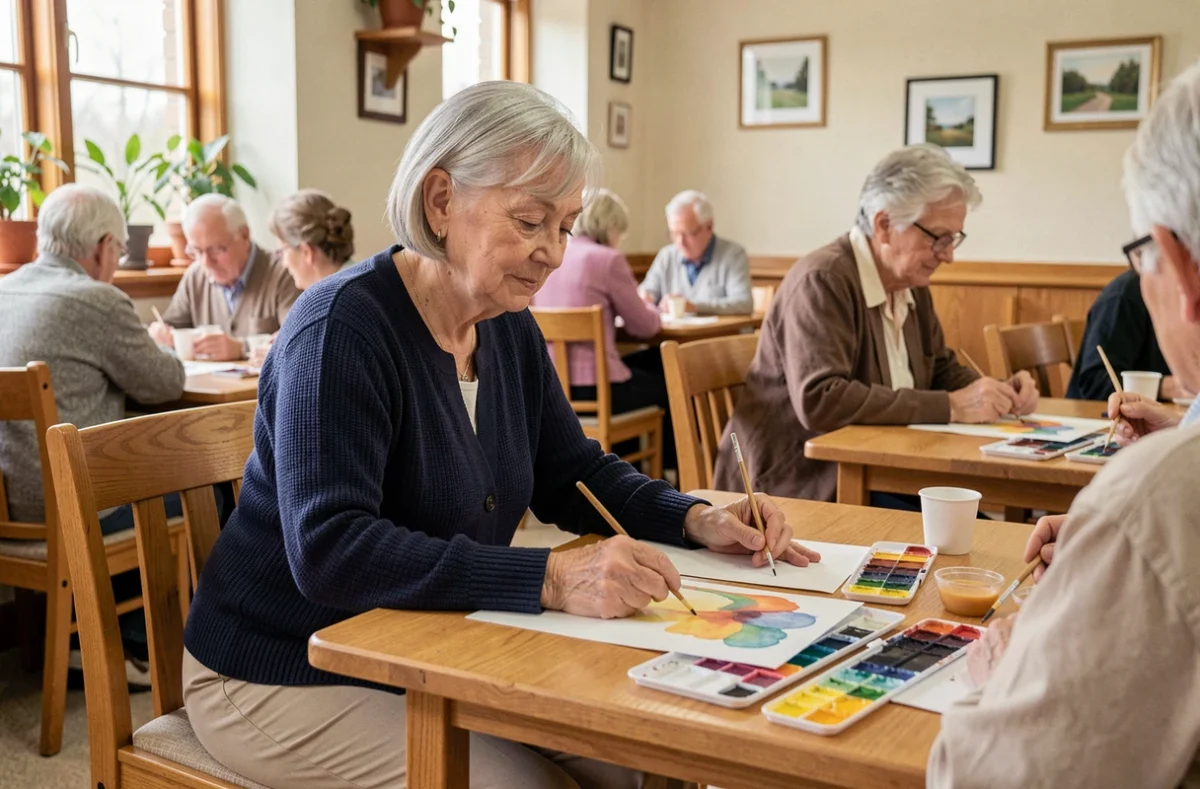
Social and cultural activities (memory workshops, group outings, leisure clubs) exist in most municipalities, but their accessibility heavily depends on the person’s mobility and the density of local offerings. Rural areas remain structurally less well covered than metropolitan areas.
Personal services and autonomy: regulated activities
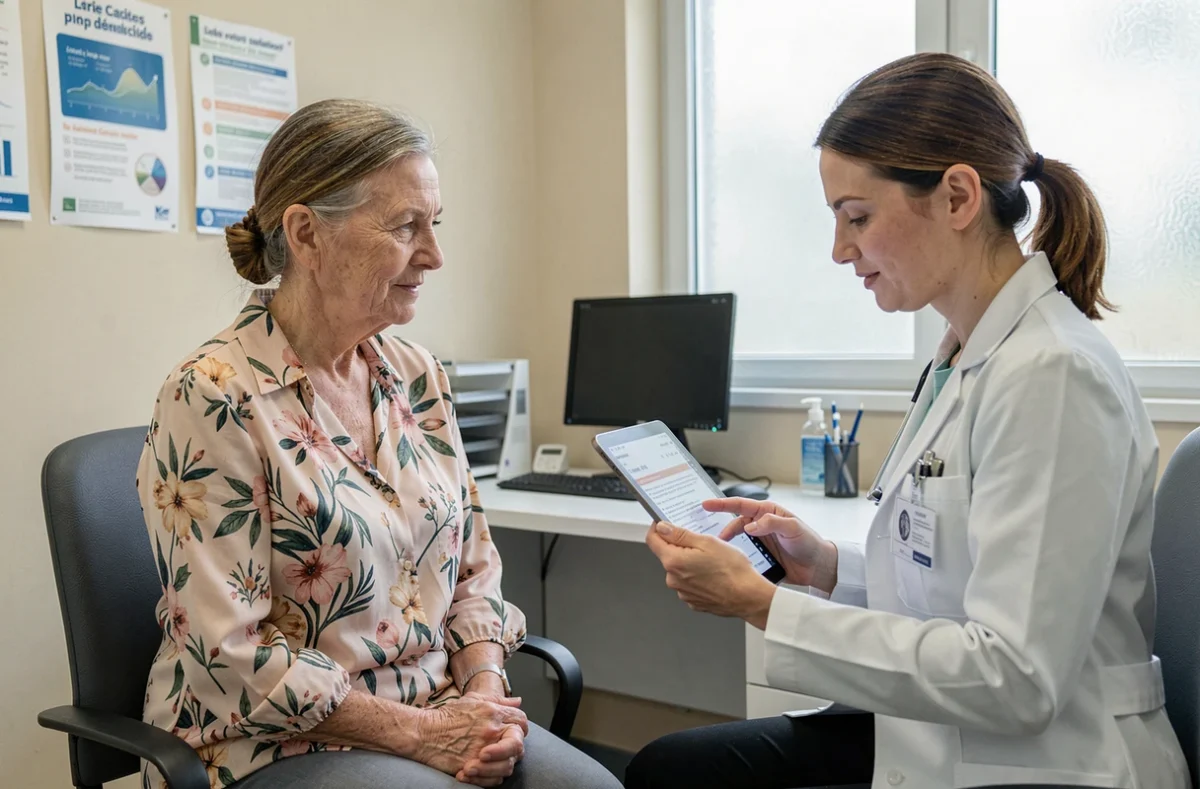
The regulatory framework for personal services covers several activities that directly concern seniors: meal assistance, home maintenance, shopping accompaniment, administrative assistance, night care.
To benefit from the tax credit, services must be performed in the beneficiary’s primary or secondary residence. However, work carried out by a landlord in a rented property is not eligible for this tax advantage, even if the tenant is an elderly person.
Identifying accredited organizations
Prefectural approval or declaration to the DIRECCTE (now DDETS) remains the main criterion for distinguishing a reliable provider. Accredited “quality” organizations are subject to stricter specifications, which provides additional assurance regarding the training of staff and the monitoring of services.
- Check that the organization is declared or accredited before signing a contract
- Request a detailed quote mentioning the hourly rate, additional fees, and replacement procedures in case of the provider’s absence
- Inquire about available financial aids: APA, PCH for disability situations, aids from complementary pension funds
The overlap of funders (departments, Health Insurance, pension funds, mutuals) sometimes makes financial arrangements complex. Local information points, particularly autonomy spaces or CLICs, can assist families in these processes.
The landscape of services for seniors in France is characterized by a rich but fragmented offering, where ongoing reforms have not yet produced the expected simplification. The next step will largely depend on the conclusions drawn from departmental experiments and the ability of public authorities to transform the recommendations of the Cour des comptes into concrete measures.