The double M bag refers to a carrying style that involves pairing two bags of different sizes in the same outfit. Popularized in the 90s, this principle was based on both practical and aesthetic needs: a small structured bag for valuables, and a tote or shopper for the rest. After two decades dominated by the single mini-bag, this carrying style is reappearing on runways and in the streets.
Ergonomics and physical limits of double carrying
Trend articles often overlook a concrete aspect: carrying two bags daily puts asymmetric strain on the body. A load distributed on one shoulder, even if light, creates a postural imbalance if the position is not alternated regularly.
Recommendations published in September 2026 emphasize the need to alternate the shoulder and carrying position to limit muscle tension and neck pain. Double bagging is not just a matter of style; it is also a physical constraint to manage over time.
To keep everything comfortable, it’s best to follow a few basic principles:
- Choose a main bag with a strap wide enough to distribute weight, and a second bag that is significantly lighter
- Avoid concentrating heavy items (laptop, water bottle) in one of the two bags
- Vary the carrying side several times throughout the day, especially if the journey exceeds twenty minutes
This ergonomic point partly explains why the double M bag from the 90s has always worked with an unbalanced duo in volume: a rigid micro-bag paired with a soft tote, never two bags of equal size.
Combinations of textures and volumes: the forgotten stylistic angle
Most content on the return of the double bag focuses on iconic models (Fendi Baguette, Hermès Kelly, Chanel clutches). The stylistic approach is rarely detailed.
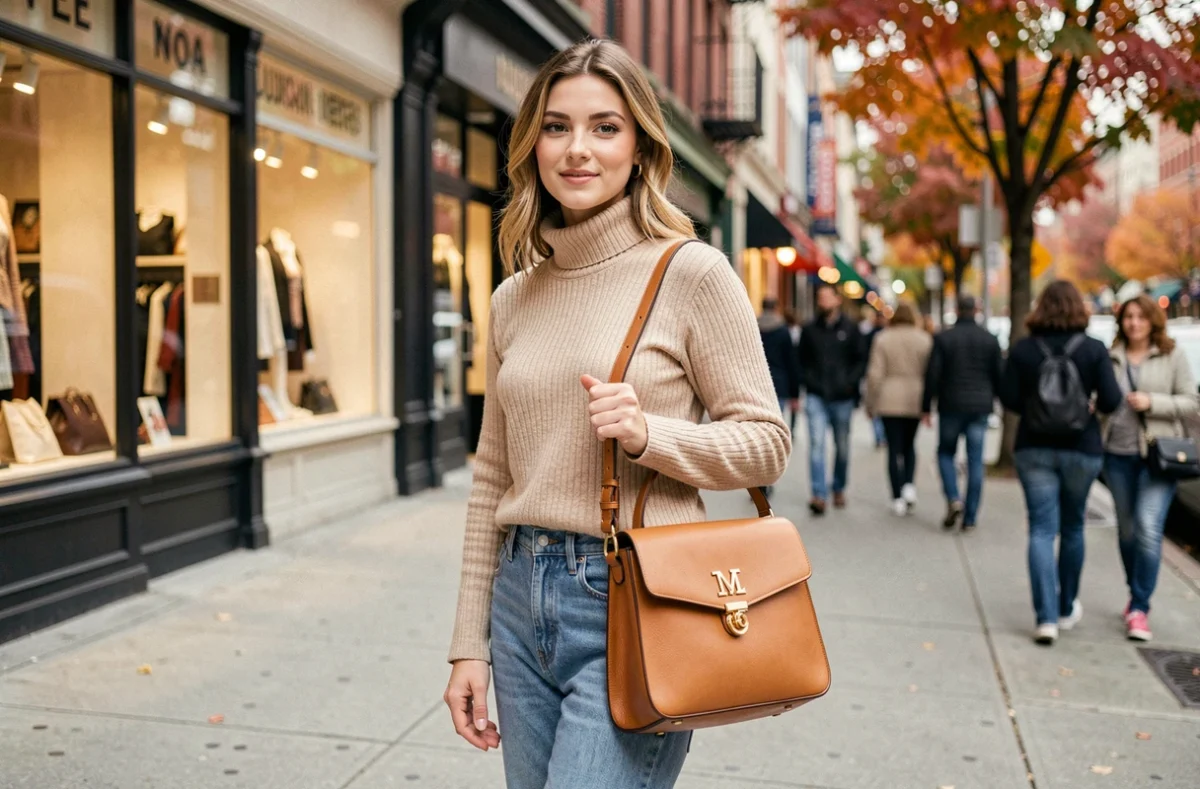
The double bagging of the 90s was not about stacking two bags from the same brand. The contrast of materials created the desired visual effect: grained leather against raw canvas, technical nylon against suede, shiny vinyl against faded linen. This play of textures added depth to often monochromatic silhouettes.
In 2026, the combinations observed during Paris Fashion Week reflect this principle. Le Nouvel Obs reported in early October 2026 on the presence of the double bag in the Paris Fashion Week market, alongside other stylistic markers like the raised collar. The phenomenon goes beyond a mere accessory to become a compositional element of the silhouette.
Three combinations that work in practice
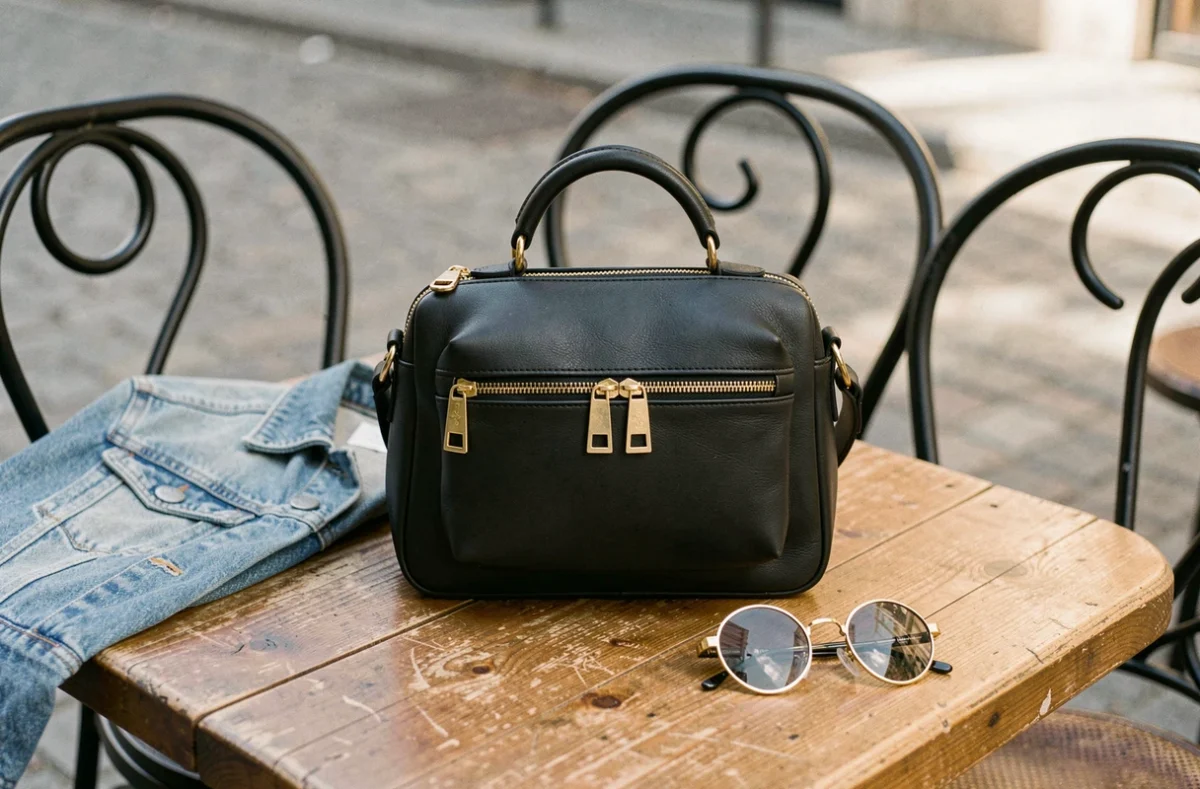
A structured mini-bag in smooth leather, worn with a short strap, paired with a thick cotton tote bag or waxed canvas. The contrast between the precious format and the utilitarian format creates a readable contrast from a distance.
A suede bucket bag combined with a flat clutch tucked under the arm. This configuration is suitable for professional contexts where double carrying must remain discreet.
A soft messenger bag in aged leather with a small chain bag worn crossbody. The combination works because the two volumes remain in very different proportions, avoiding the accumulation effect.
The double M bag in the broader cycle of fashion proportions
The return of the double bag does not occur in isolation. It accompanies a movement to rebalance proportions in accessories, after several years dominated by decorative micro-bags barely capable of holding a phone.
An article from Gala published in September 2026 links this phenomenon to the gradual decline of mini-bags in favor of oversized formats. The XXL bag, carried alone, is gaining traction among those who find double carrying too constraining. This shift suggests that the double M of the 90s, despite its media comeback, may only be a transitional step towards more generous single volumes.
The same article notes that the combination of mini-bag and tote, very visible in professional environments the previous year, is already losing popularity. Double bagging remains a cyclical trend, not a lasting fixture.
Second hand and vintage market: where to find authentic models
The return of a 90s style mechanically fuels demand in the second-hand market. Platforms specializing in vintage luxury, such as Collector Square, list hundreds of models of 90s bags from Hermès, Dior, Louis Vuitton, or Chanel.
Paris has a significant offering of physical boutiques dedicated to luxury second-hand. This network allows for the authentication of pieces before purchase, which is not negligible when the double M bag requires two distinct models, each exposed to the risk of counterfeiting.
- Check the consistency of stitching, hardware, and interior markings before any vintage purchase
- Prefer platforms that offer a certificate of authenticity or inspection by an independent expert
- Compare prices among several resellers: the same Fendi Baguette model can vary significantly depending on condition and color
- Do not overlook unbranded bags from the 90s, often better constructed than their contemporary entry-level counterparts
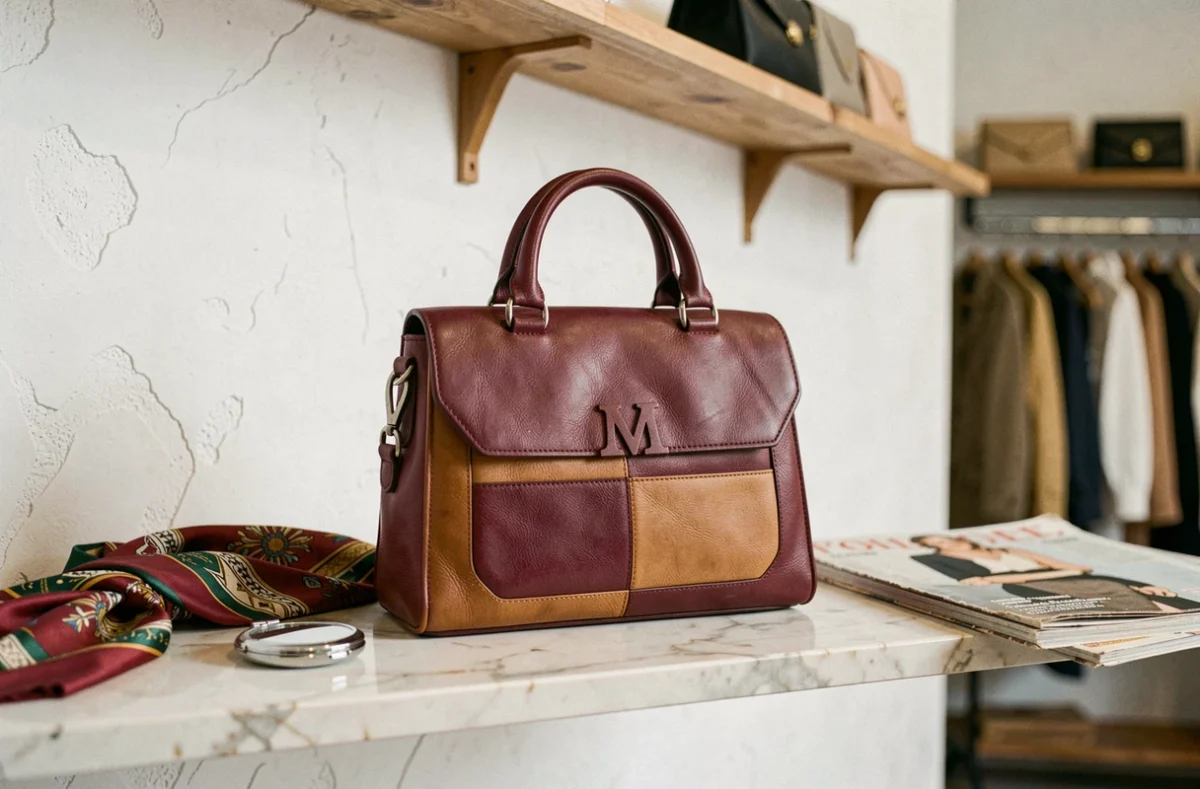
Buying second-hand also has the advantage of offering combinations of textures and colors that are unavailable in current collections. A 90s monogram canvas tote paired with a leather clutch from another brand creates a duo that no one can replicate identically.
The double M bag from the 90s returns in a fashion context where proportions are readjusting and where vintage gains legitimacy. Its longevity as a trend will depend on the ability of oversized formats to absorb all daily uses on their own.
If the maxi single bag ultimately prevails, double carrying will revert to what it has always been between two cycles: a stylistic gesture reserved for those who accept the constraint for the pleasure of contrast.