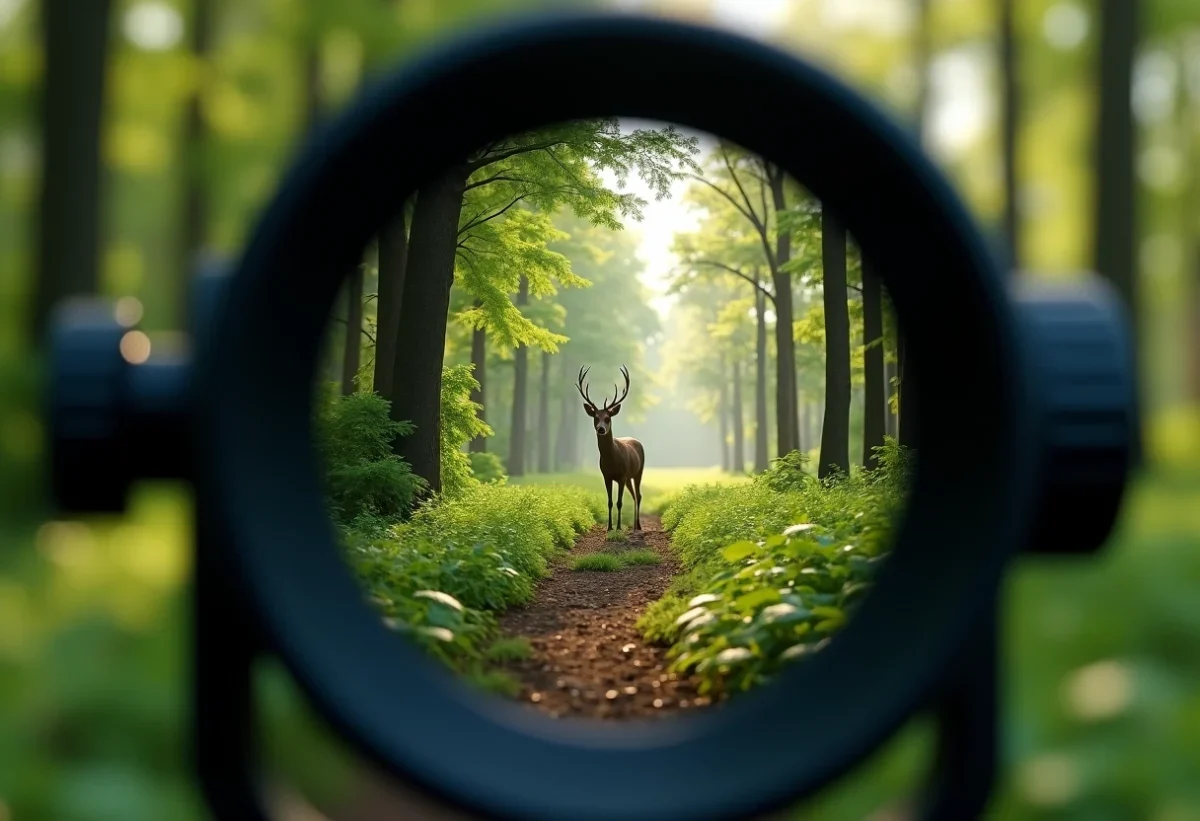
Exploring nature while comfortably settled at home is now a reality thanks to live streaming sites and strategically placed cameras in nature reserves. These platforms allow you to observe rare species, fascinating animal behaviors, and breathtaking landscapes without disturbing their habitat.
For enthusiasts of botany and zoology, these online resources open a window to diverse ecosystems, from tropical forests to African savannas. Whether it’s to admire a wildebeest migration or follow the blooming of an exotic plant, these sites provide privileged access to global biodiversity.
The best platforms for observing wildlife and flora from a distance
Technology has opened new avenues for wildlife and flora enthusiasts, offering diverse tools to enrich the observation experience. Several applications and websites allow you to document, identify, and share discoveries.
iNaturalist is an essential platform for biodiversity lovers. It enables users to document and identify a wide range of plants, animals, and fungi. By contributing to citizen science projects, users participate in research and species conservation.
eBird, developed by the Cornell Lab of Ornithology, has revolutionized ornithology. This application provides a comprehensive database for recording and exploring bird observations. Bird song recognition is facilitated by BirdNET, another application from the same lab.
For species identification, Seek by iNaturalist uses image recognition technology. This application is particularly useful for wildlife and flora enthusiasts who want to quickly identify unknown species.
Webcam enthusiasts will find joy with the La Jasserie Pilat webcam, which offers live views of local wildlife. This installation allows you to follow the activities of animals in their natural habitat without disturbing them.
- Pl@ntNet: To identify plants via photos.
- Picture Insect: To discover insects.
- Champignouf: To identify mushrooms from a photo.
For hiking and nature trail enthusiasts, Visorando offers detailed routes. Virtual explorations are also enhanced by Google Earth, which allows you to explore the world from home with satellite images and 360-degree views. 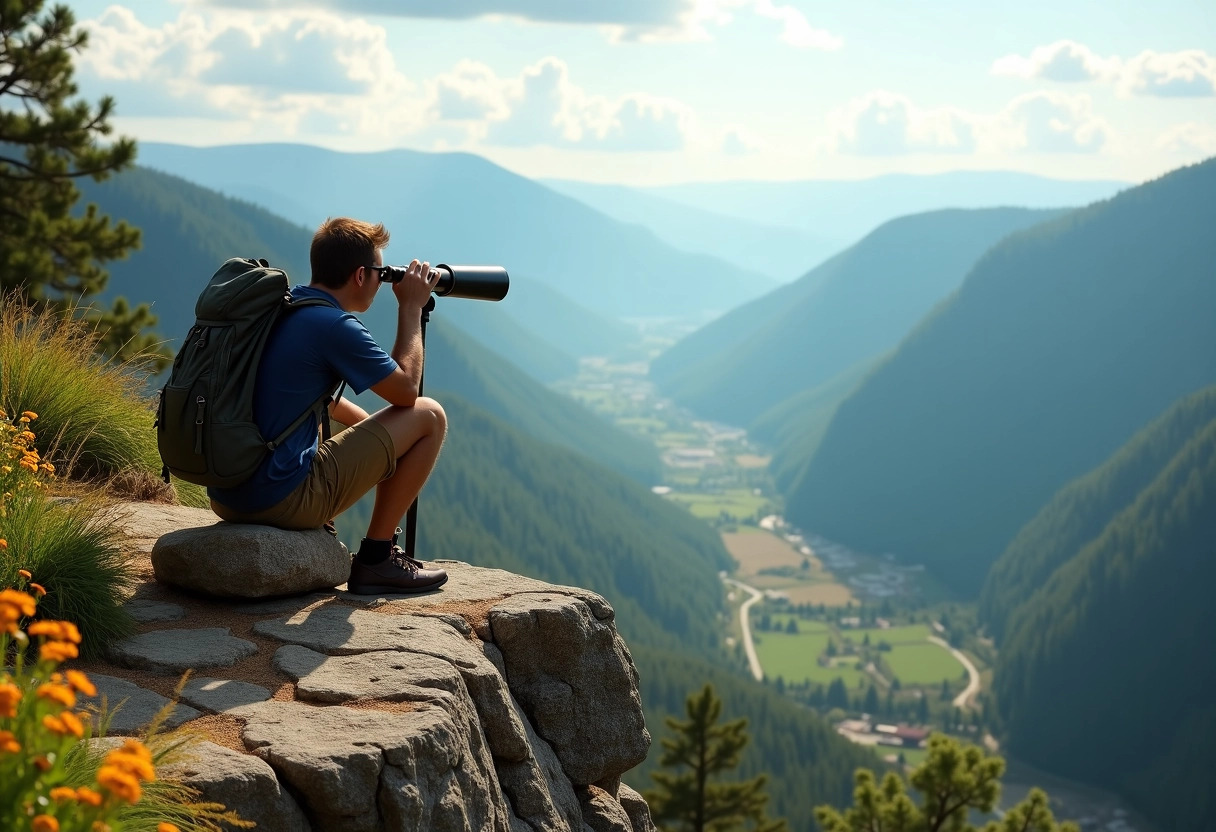
Tips for an optimal observation experience
To maximize your wildlife and flora observation experience from a distance, several practical tips are essential. First, equip yourself with the right technologies: use quality binoculars and cameras with good zoom. Many applications like Seek by iNaturalist or eBird offer valuable features for identifying and recording your observations.
Choose the right time and place
Wildlife is often more active at certain times of the day. Favor the early hours of the morning or late afternoon. Regions like Canada, Africa, the Serengeti in Tanzania, the Amazon, or New Zealand offer unique opportunities to observe a wide variety of species.
- In the Amazon, explore the unparalleled richness of biodiversity.
- In the Serengeti, witness the spectacular migrations of wildebeests and zebras.
- In Canada, discover majestic grizzlies and moose.
Use online resources
Platforms like Google Earth allow you to virtually explore natural habitats. For live observation, webcams installed in national parks or nature reserves are ideal. For example, the La Jasserie Pilat webcam in France offers a direct window into local wildlife.
Record your observations on citizen science applications like iNaturalist. This way, you will contribute to a global database that helps in species conservation.