When looking to keep up with what’s happening at Gourmet Galopin, one quickly encounters a mix of similar names (Galopin, Gallopin, Galopain Gourmand) and sometimes locked social media pages. Untangling the real launches from mere homonyms requires a bit of method. Here’s what we take away from the gourmet novelties that deserve attention.
Galopin Picard: A Revamped Anti-Waste Recipe
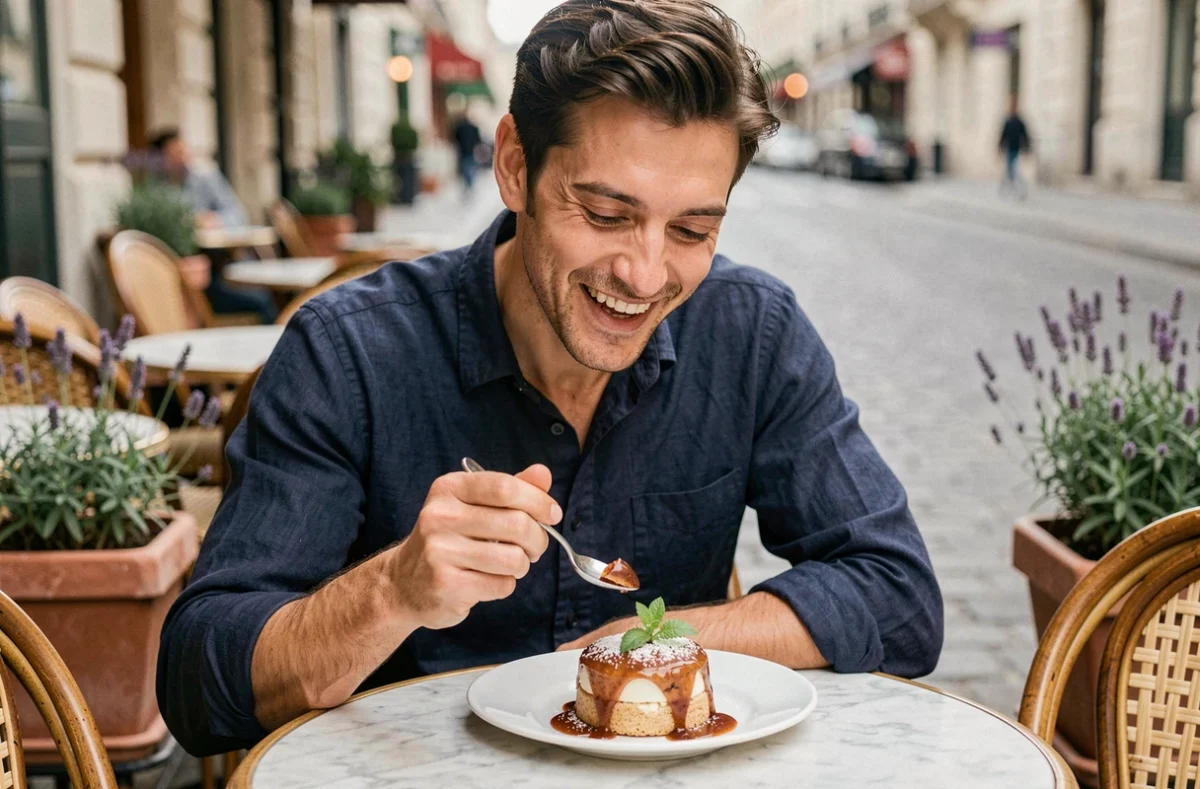
Before discussing the brand, let’s take a detour to the product itself. In the Picard tradition, a galopin refers to a melting cake made from stale bread. Culinary press has recently brought it back into the spotlight as a budget-friendly anti-waste recipe.
The principle is simple: hard bread soaked in milk, enriched with eggs, sugar, and sometimes dried fruits. This results in a dense dessert, akin to pudding, that costs just a handful of cents per serving. For an establishment like Gourmet Galopin, this type of creation aligns with an underlying trend where indulgence meets the fight against food waste.
The news from Gourmet Galopin allows us to check if this Picard inspiration has found its way onto the menu or into seasonal pastry creations. It’s noted that several establishments with similar names, like Galopain Gourmand in Chirens, are already betting on homemade and local products, indicating that this niche is promising.
Pastries and Chocolate Creations: What Sets a Gourmet Menu Apart
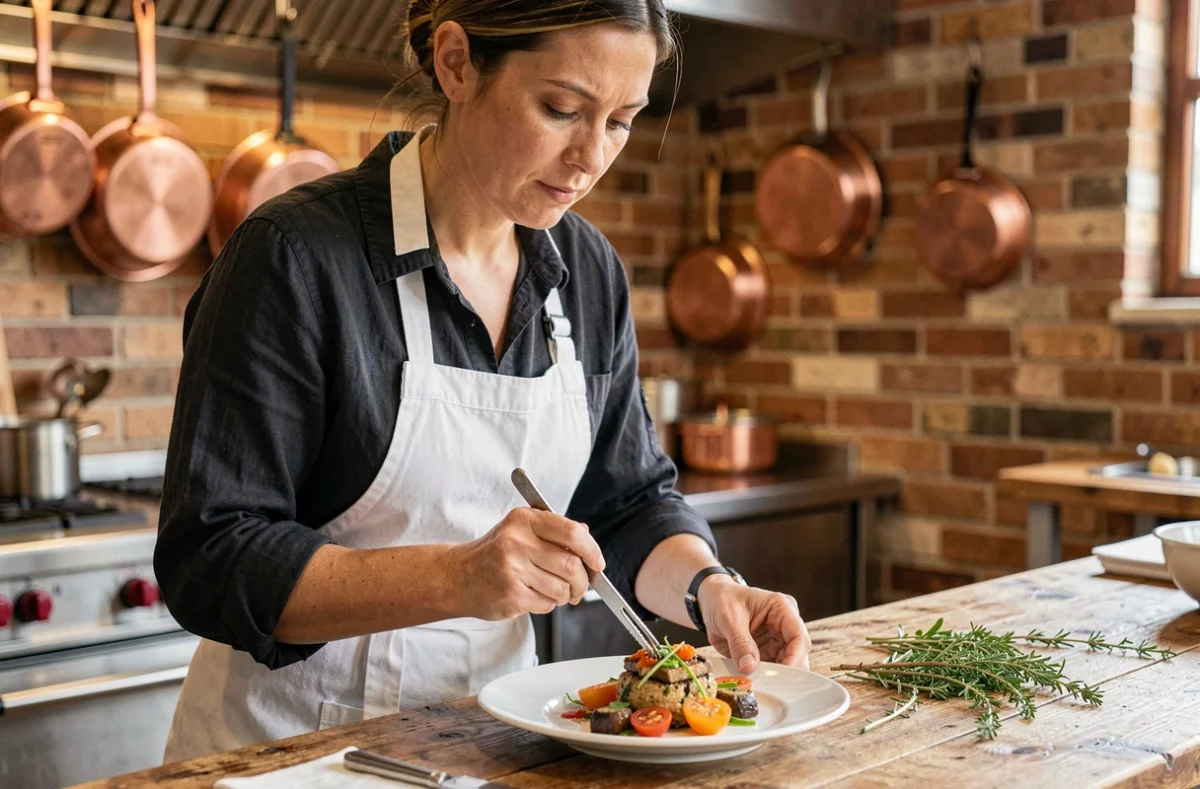
In the landscape of restaurants and patisseries in Paris or the surrounding regions, the sweet menu often makes the difference. A pastry chef who works with chocolate and hazelnuts from local sources does not offer the same experience as a standardized display.
Shells, Ganaches, and Textures
The creations that have caught the eye in recent months play on contrasts in texture. We’re talking about crispy shells paired with melting ganaches, often enhanced by an unexpected element (carrot, spices, candied citrus). This type of work requires precise know-how and a quick turnover of fresh products.
To assess the quality of an artisanal pastry shop, we look at three things:
- The frequency of menu updates, which reflects the chef’s creativity and the sourcing of seasonal products
- The origin of the raw materials (covering chocolate, Piedmont hazelnuts or local ones, AOP butter)
- The relationship between the displayed price and the actual weight of the portion, often more revealing than an online review
A menu that evolves every few weeks signals a lively establishment. Conversely, a menu that has been stagnant for months is rarely a good sign.
Gourmet Snacking and Home Meals: The Trend That’s Taking Hold
Snacking is no longer a last resort. Establishments like Galopain Gourmand in Chirens have understood this well by offering salads, sandwiches, and pizzas prepared on-site, with a dedicated dining area. Quick meals and homemade are no longer mutually exclusive.
Home Delivery and Tailored Menus
The demand for home-delivered meals continues to grow, and gourmet establishments must adapt their menus. A chef’s dish that doesn’t travel well in cardboard packaging loses all its appeal. Creations designed for delivery include sauces packaged separately, crispy elements kept apart, and portion sizes calibrated to maintain taste quality upon arrival.
Feedback varies on this point: some customers find that the home experience does not replace dining in, while others appreciate the flexibility. What makes the difference is the rigor of the packaging and the freshness of the ingredients at the time of departure.
Traceability and Local Products: A Selection Criterion for Artisan Cuisine
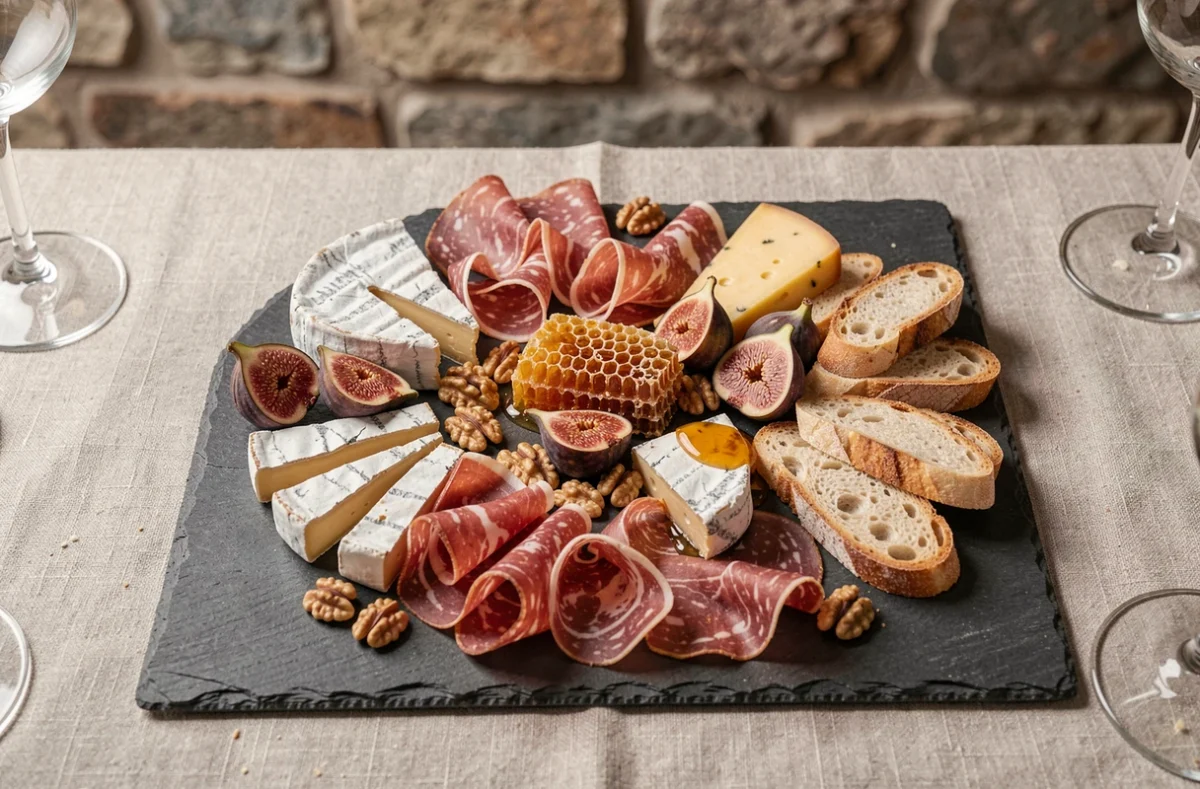
A strong trend in current gastronomy combines taste quality with transparency regarding the origin of ingredients. It is observed that establishments that communicate about their suppliers (farmers, dairy producers, chocolatiers) tend to retain their clientele more effectively.
Galopain Gourmand in Chirens, for example, clearly displays its values around local products and homemade. This approach, also reflected in recent trends in European gastronomy surrounding biodynamic agriculture and territorial traceability, transforms the simple act of purchasing into a conscious choice.
For a consumer, checking traceability involves asking a few concrete questions:
- Is the bread kneaded and baked on-site, or does it arrive as frozen dough?
- Are the pastries made with identified butter (AOP, farm-produced)?
- Does the chocolate used in pastries come from a supplier named on the menu?
These details, often absent from displays, can sometimes be found on the news pages of establishments or on their social media.
Differentiating Gourmet Galopin from Homonyms: A Quick Method
Online, several establishments with similar names can be found: the restaurant Le Galopin in Paris, the Gallopin (a historic Parisian brasserie), Galopain Gourmand in Isère, or the Galopain de Saint-Avold specializing in fast food. Each has a different positioning, menu, and chef.
To avoid confusion, check the official website URL, the geographical location, and the type of cuisine offered. Gourmet Galopin stands out for its specifically gourmet positioning, with a focus on sweet creations and regular communication about its new offerings.
The next time a publication mentions a “gourmet galopin,” taking thirty seconds to verify which establishment it refers to can prevent many disappointments when it comes time to walk through the door.